Top 7 Vastu Items for Home Based on Traditional Symbolism
Some homes feel settled the moment you step inside. Not dramatic, not staged, just calm, lived-in, and thoughtful. Often, that feeling comes from small choices made over time. For many households, Vastu items become part of that process. Not because they promise anything, but because they carry tales, symbols, and purpose, which individuals associate with.
Vastu has always been less about forcing change and more about observing how people live within a space. That is why Vastu decor still finds a place in modern homes. It blends belief with habit and tradition with everyday design. If you are exploring Vastu idols for the home, understanding what these items traditionally represent can help you choose with clarity rather than confusion.
Why Traditional Symbolism Shapes Vastu Choices
Long before Vastu became a design trend, it existed as a way of thinking about space. Objects were chosen for what they stood for, not for visual elegance. Over generations, certain symbols stayed relevant because people felt connected to them.
Today, homeowners often choose Vastu items for reasons that go beyond belief. Some appreciate the cultural meaning. Others like how these pieces quietly anchor a room. When symbolism guides the choice, the item rarely feels out of place. It becomes part of the home’s rhythm.
Nandi Ji Idol and the Idea of Steadiness
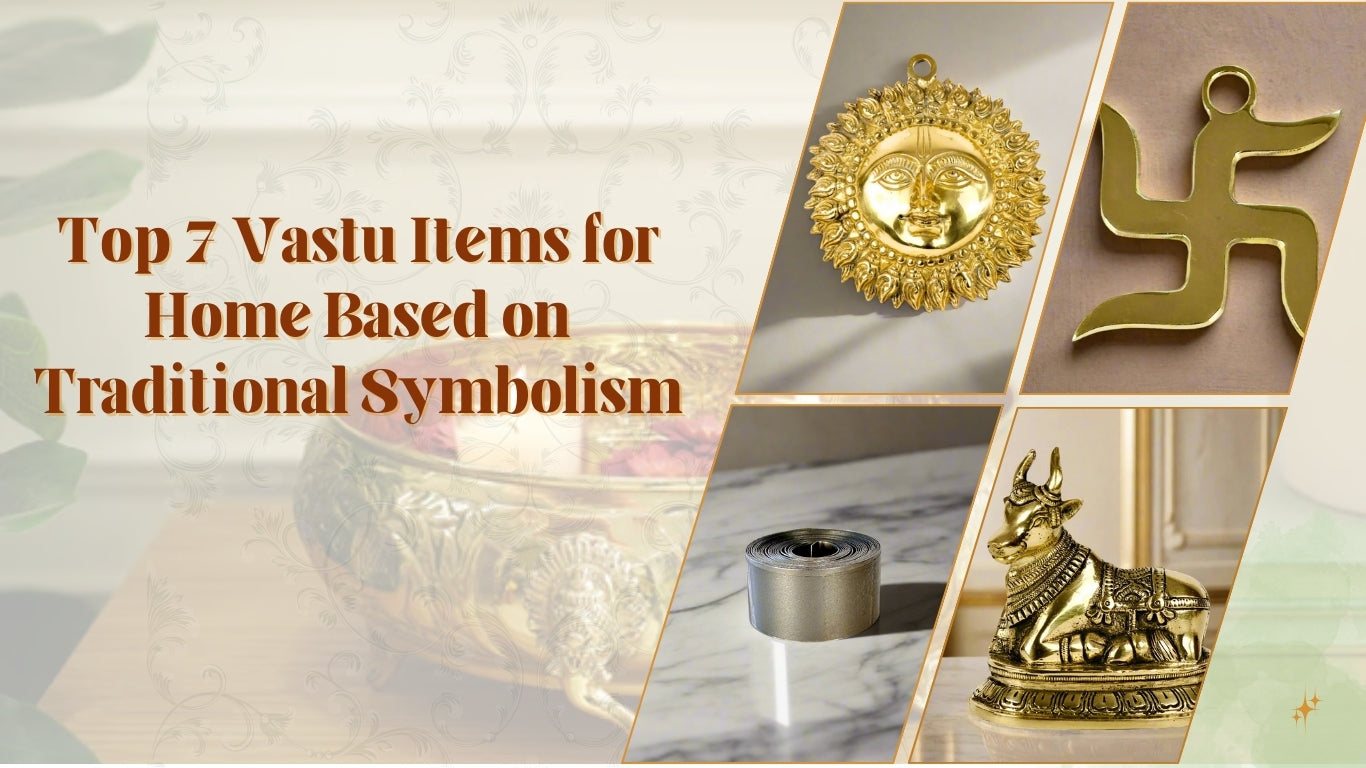
Nandi Ji is traditionally linked with patience, devotion, and firm strength. In most households, there is a Brass Nandi idol that is placed in quiet areas or close to places of prayer, but not facing outside.
The appeal of Nandi Ji in Vastu decor lies in its subtle presence. It does not demand attention. Instead, it reflects stability. Brass Nandi idols are especially popular because the material feels enduring and familiar. Over time, it blends into the space, becoming less of an object and more of a quiet symbol that people grow used to seeing every day.

Sun Idol as a Symbol of Daily Balance
The Sun has always been linked with routine, awareness, and natural order. In traditional Vastu thinking, the Sun represents clarity and consistency rather than power alone.
A Brass Sun idol or wall-mounted Sun symbol is often placed where daylight enters the home. Some prefer it near entrances, others in shared living spaces. As vastu items, Sun symbols are chosen for what they remind people of. The steady rhythm of mornings. The idea of structure. The comfort of predictability.

Brass Swastik and Cultural Continuity
The Swastik is one of the oldest symbols still used in Indian households. Its meaning has always centered on well-being, continuity, and positive intent. Unlike decorative wall art, the Swastik carries familiarity.
A Brass Swastik is commonly placed near doorways or in prayer areas. Brass, as a material, adds weight and permanence. In terms of vastu decor, the Swastik does not overpower a space. It simply marks it. For many families, that quiet recognition matters more than visual appeal.

Eagle Figurine and the Theme of Awareness
The eagle represents vision, focus, and alertness in traditional symbolism. It is often linked with the ability to observe clearly and act with confidence.
As a Vastu item, an eagle figurine is usually kept in workspaces, study areas, or offices at home. People are drawn to it not because it promises outcomes, but because the symbol resonates with intention. Brass Eagle Figurines also double as strong decor pieces, adding character without appearing ornate or excessive.
Camel Figurine and Endurance in Everyday Life
You don’t usually see a camel as a decorative piece, and that’s exactly what makes it stand out. People have always linked camels with patience, steadiness, and the ability to handle tough times.
The Brass Camel Figurines are commonly located in the living rooms or transitional areas, such as hallways, in Vastu practices. They work well as Vastu decor because they blend quietly into the background. For those who prefer understated symbolism, the camel offers meaning without visual clutter.
Metal Strips for Vastu and Subtle Adjustments
Not all vastu items are meant to be seen. Vastu metal strips are usually utilized as practical materials and not as decorative elements. They are used in a subtle manner where individuals feel that space is to be balanced.
What makes metal strips relevant today is their simplicity. They suit minimal homes and modern layouts. For people hesitant about visible symbols, metal strips feel approachable. They allow involvement with Vastu principles without altering the home’s look or style.

Coloured Tapes for Vastu as a Flexible Option
Coloured Tapes for Vastu are often used for minor spatial adjustments. Historically, various colours reflect certain directions and aspects.
The reason why these tapes are popular is the fact that they are flexible and temporary. They are suitable for renters, first-time homeowners, and those who are trying out Vastu products at the house without commitment. Since they are easy to apply and remove, coloured tapes fit naturally into homes where practicality matters as much as belief.

Owl and Turtle as Symbols of Observation and Stability
Now, about that Brass Owl Statue: it’s all about wisdom and staying sharp. People see owls as night watchers. When the world gets quiet, they’re still up, eyes open, always alert.
The Brass Turtle is a symbol of stability and long life. Turtles are generally placed nearer to the ground, which signifies stability. As vastu items for the home, both owl and turtle figures appeal to those who prefer symbolism that feels understated and reflective.

Deer Figurine: Calmness Through Form
The Brass Deer represents gentleness and quiet balance. Deer figures are usually chosen for living rooms or transitional spaces where softness helps offset heavier furniture or sharper lines.
In Vastu decor, deer figurines bring visual ease. Their slim form and composed posture allow them to sit naturally within the space. For homeowners seeking subtle symbolism without overt religious imagery, the deer remains a thoughtful choice.

Kamdhenu Cow: Tradition and Continuity
The Brass Kamdhenu Cow has great cultural importance. Kamdhenu figures have traditionally been linked to food and sustenance and are commonly found in prayer spaces or living areas.
The Kamdhenu Cow is used in Vastu decor to symbolize continuity as opposed to claims of abundance. The brass shape is solid and comfortable, and can be installed comfortably in homes that appreciate cultural heritage.

Indra Dev Idol: Presence and Authority
The Brass Indra Dev Idol is the symbol of power and influence in the traditional system of symbols. In contrast to animal figurines, Indra Dev idols are usually located in prayer areas or meditation areas.
They are not selected due to the visual impression, but to the meaning. Indra Dev idols are part of the Vastu decor and enhance the tone of a place.

Blending Vastu Decor with Modern Homes
One common concern is whether Vastu decor will clash with modern interiors. In practice, it rarely does when chosen carefully. Brass idols, symbolic figurines, and subtle tools are more of an accent than a centre of attention.
Many homeowners prefer selecting one or two vastu items that feel personally relevant. That approach keeps the space open and avoids visual overload. When vastu decor is chosen thoughtfully, it becomes part of the home rather than an add-on.
Choosing Vastu Items Without Pressure
There is no single rule that fits every home. Some people follow traditional placement closely. Others simply choose symbols they connect with. Both approaches are valid.
When selecting Vastu idols for the home, the space, material, and purpose should be considered. The reason why brass is still popular is that it ages beautifully and fits most of the interiors. Small objects tend to be more comfortable than big statement objects. And the most important thing is that the product should be comfortable in your everyday setting.
A Practical Way to Look at Vastu Items
Vastu does not need to feel rigid. For many households, it functions as a cultural layer rather than a strict system. These symbols have lasted because they adapt. They move easily between tradition and modern living.
If you are exploring Vastu decor, treat it as a way to bring meaning into your space, not as a checklist. Thoughtful choices tend to last longer and feel more personal over time.
To the traditionally oriented people who seek to venture into traditionally inspired Vastu products with care and simplicity, collections offered at Indian Impressions convey a balance of symbolism, material quality, and design appropriate in daily residential settings.
1. What are the most common Vastu items for home?
Common Vastu items include Brass Nandi idols, Sun idols, Brass Swastik, eagle and camel figurines, metal strips, and coloured Vastu tapes.
2. Why are brass Vastu items popular?
Brass is durable, timeless, and blends well with both traditional and modern home interiors.
3. Where should a Nandi Ji idol be placed?
Nandi Ji is usually placed in quiet or prayer areas and should not face outside.
4. What does a Sun idol symbolize in Vastu?
The Sun represents clarity, balance, routine, and daily discipline.
5. What is the meaning of a Brass Swastik?
A Brass Swastik symbolizes well-being, continuity, and positive intent.

Written by Harkamal Sharma